Simple private label vs deeper OEM
Private labeling at its most basic means replacing the factory brand with yours on the product, the manual, and the carton. For portable power stations and EV chargers this level is well within what Spire ESS handles regularly: you supply a logo file, specify your brand name, and agree where it appears on the housing, the quick-start guide, and the outer carton. The product internals, firmware, and core specifications stay as they are in the standard catalog.
Deeper OEM customization goes further. It can include a display or app interface language change, adapting the plug or connector for a destination country, adding your SKU codes to the barcode label, retail-ready packaging with your photography and copy, or a different color scheme or added accessories. Each step adds coordination time and sometimes tooling or engineering work, which raises the volume threshold where the project becomes viable for both sides. If you are sourcing for the first time, starting with the simplest layer and expanding is almost always the faster path to first shipment.
- Basic private label: brand and logo on unit, manual, and carton; no change to internals or firmware.
- Mid-level: manual language swap, carton artwork and photography, added accessories or bundle contents.
- Deeper OEM: plug or connector adaptation, interface language change, color or housing change; confirm feasibility with sales.
Which product lines to start with
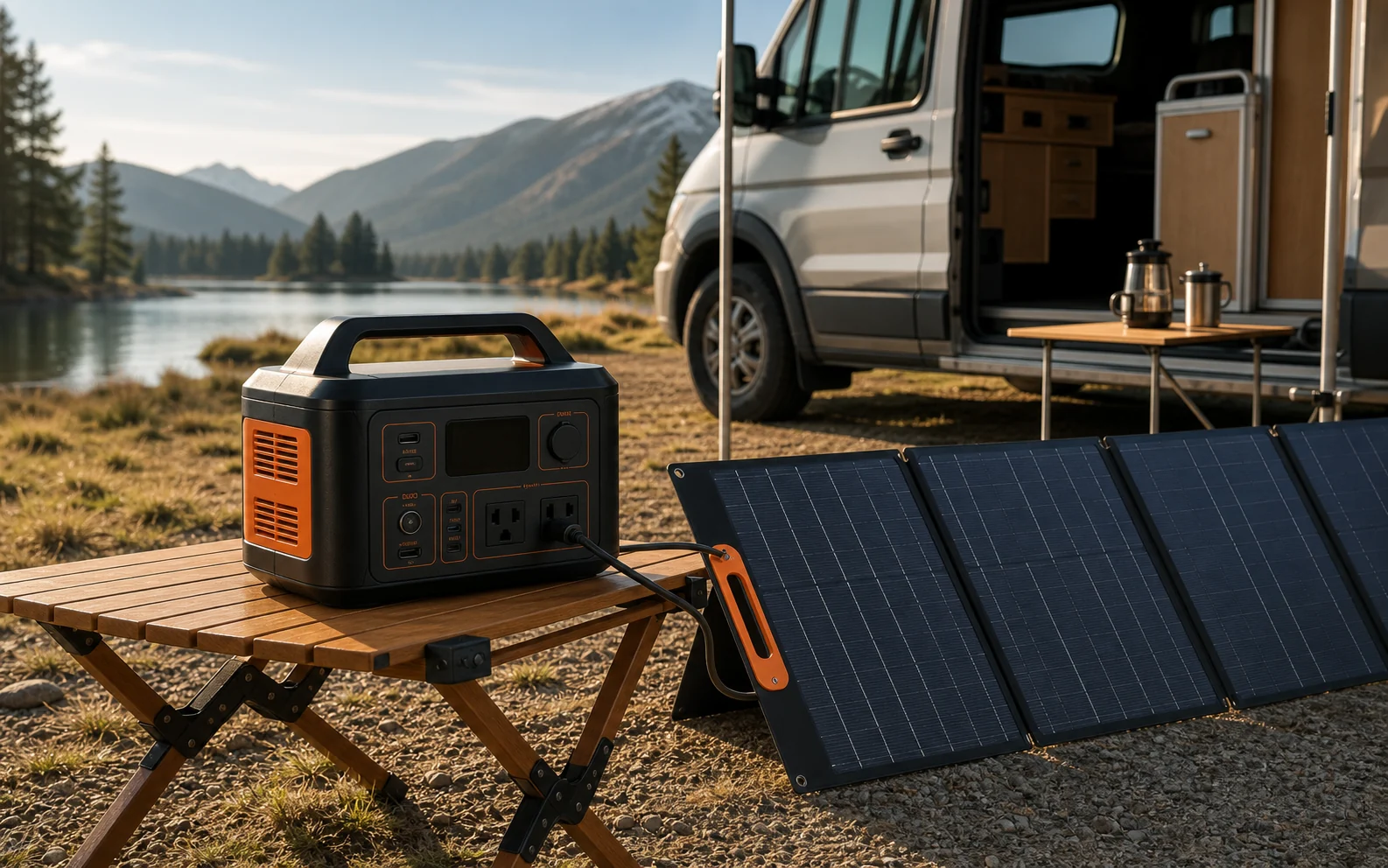
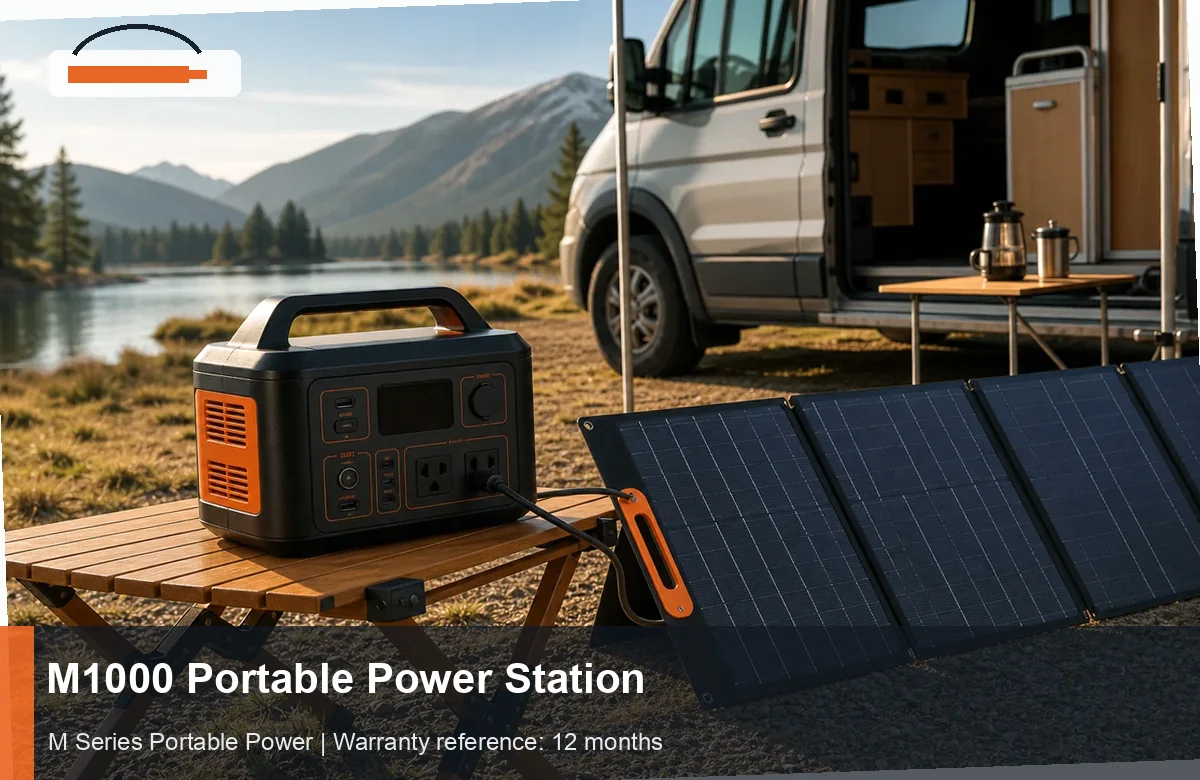
Portable power stations are the most straightforward entry point. The M-series units, with rated AC output from 300W to 1000W and capacities from roughly 266Wh to 999Wh, are self-contained retail products that already ship in individual cartons. Applying your brand to the unit and carton and swapping in a localized manual is a well-established process. These units also bundle naturally with foldable solar panels, which gives your channel a higher average order value and a more complete branded package.
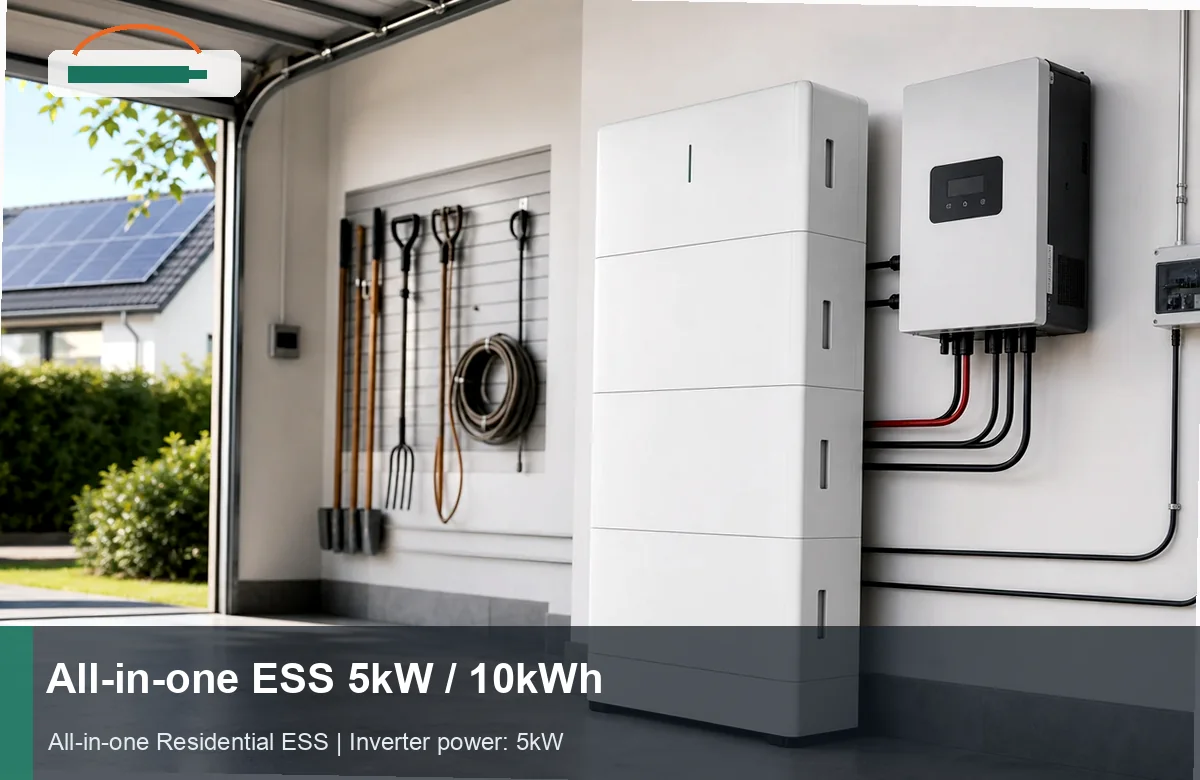
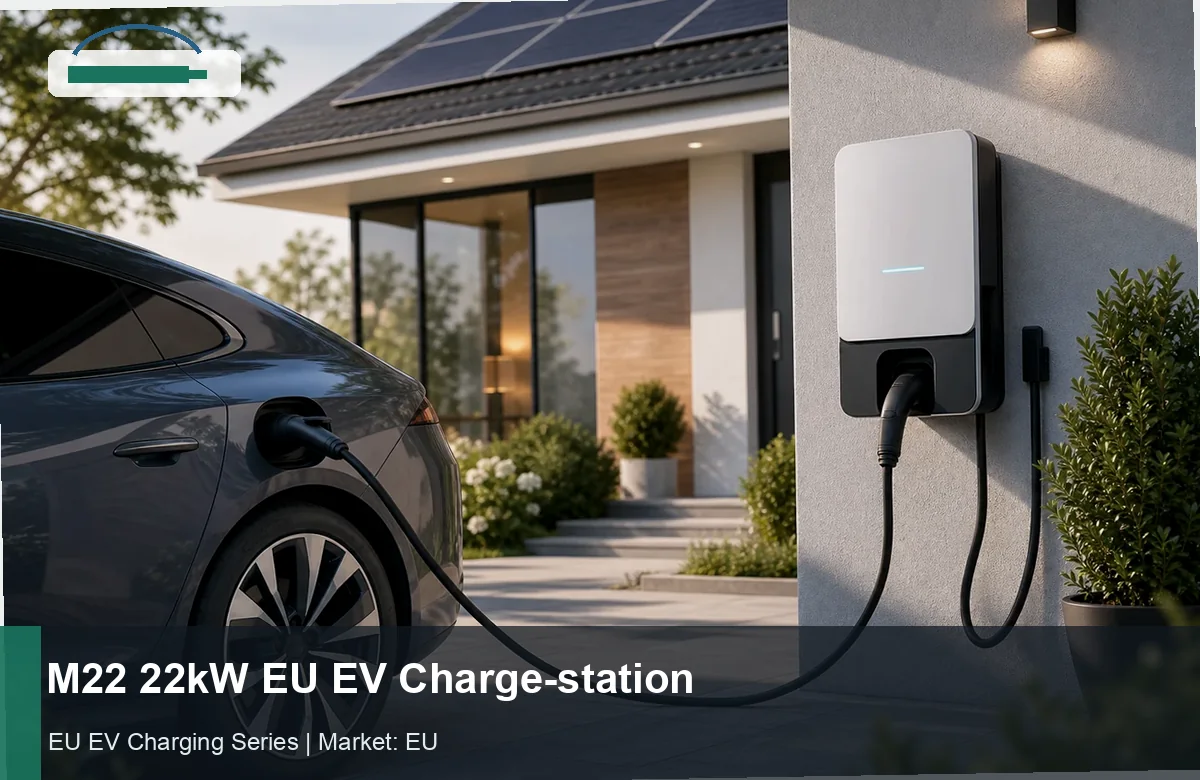
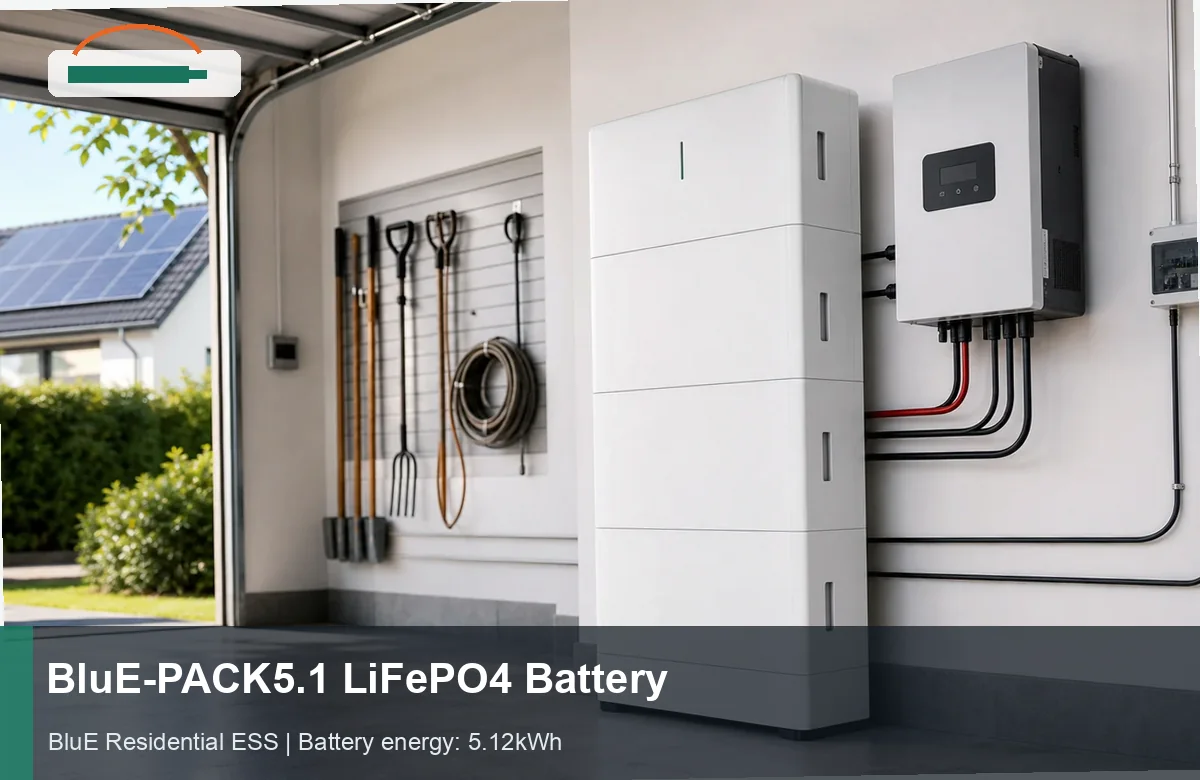
Residential ESS products such as the All-in-One ESS 5kW with 5, 10, or 15kWh battery options and the BluE-PACK5.1 LiFePO4 stackable battery can carry private labeling too, but the process is broader because they are installer-sold: branding extends to installer documentation, end-user guides, and sometimes the monitoring app. EV chargers such as the M22 22kW wallbox are another realistic private-label candidate for distributors building a branded clean-energy catalog, especially in the EU where channel branding on wallboxes is common.
- Best starting point: portable power stations, compact and retail-ready with an established private-label process.
- Residential ESS and battery modules: viable but plan for installer documentation and app localization.
- EV chargers: a strong fit for EU channel distributors building a branded hardware catalog.
What a complete OEM RFQ contains
A vague inquiry gets a vague answer. A specific RFQ gets a specific response. Sales needs enough information to check production availability, scope any tooling or print setup, and give a price that reflects your actual project. Putting it all in your first message compresses the quote cycle from weeks to days.
Your RFQ should identify the target model or models by exact name, state the estimated order volume, describe the branding scope you need, and confirm the destination market. Destination matters because it determines the plug standard and the certification marks that must appear on the product and packaging. A unit going to one market has different requirements than another, and including this prevents a quote for a configuration that fails your local import rules.
- Target model(s) by exact name, plus any spec variants you want to confirm.
- Estimated first-order volume and, if known, annual volume.
- Branding scope: logo placement, manual languages, carton artwork, any further changes.
- Destination country or region and the required plug standard.
- Required certification marks for the destination.
- Timeline: target first shipment or trade-show date, plus brand assets you can attach.
Sampling and pre-production approval
Before a branded product goes to mass production, buyers typically go through a sample and pre-production approval stage. For simple private labeling this usually means a branded sample unit with your logo applied plus a draft of the carton artwork for review and sign-off. You check logo placement, color match, manual accuracy, and carton print quality. Once you approve, production is authorized.
For more involved OEM projects such as a new plug type or an interface language change, the pre-production stage may add an engineering sample ahead of the finished production sample, which takes longer and needs more review rounds. In either case the sign-off is a real checkpoint: mass production does not begin until you confirm the sample matches the agreed specification. Sampling terms, whether samples are at cost or against a deposit, and how many revision rounds are included are project-specific and confirmed with sales when you submit your RFQ.
- Simple private label: logo and carton sample for visual sign-off before production.
- Complex OEM: engineering sample followed by production sample, each with a formal approval step.
- Mass production starts only after you approve the sample against the agreed specification.
Packaging and retail readiness
Packaging is often the last thing buyers think about and the first thing that affects whether a product sells once it reaches the shelf. A portable power station in a plain brown export carton is a harder sell than the same unit in a printed color box with product photography, clear feature callouts, and a barcode that scans in the retailer's system. If you sell into retail, physical or online, design the packaging around the buyer experience, not just shipping efficiency.
Retail-ready packaging typically means a printed color carton with brand photography, a feature summary, multilingual safety and compliance text, a barcode in the format your retail partner requires, and sometimes a hang-tag or window panel. For online marketplaces the carton also has to survive fulfillment-center handling, which affects structural design as much as graphics. Treating packaging as a primary deliverable rather than an afterthought makes your channel launch faster and reduces the chance of a costly reprint.
- Retail carton: a printed color box with photography and feature callouts increases shelf appeal.
- Barcode and multilingual compliance text must match your destination retail partner requirements.
- Online marketplace packaging needs structural durability as well as graphic design.
Minimums, lead times, and how to confirm them
Minimum order quantities for private-label and OEM projects are not published as fixed numbers because they depend on the product line, the complexity of customization, the production calendar, and whether you are running a new label or adding to an existing run. A simple logo swap on a portable power station has a different practical threshold than a full OEM project with new packaging tooling and a new connector type. Expecting one published MOQ to fit every scenario leads to misaligned expectations.
Lead times similarly depend on production scheduling, whether tooling or print plates are needed, and how quickly the approval cycle completes. Buyers who submit a complete RFQ, provide brand assets promptly, and approve samples quickly consistently see faster production starts. Portable power stations carry a 12-month warranty reference; confirm warranty terms for other lines with sales. The fastest path to a confirmed timeline is a complete RFQ followed by staying responsive through the sample stage; sales confirms the realistic lead time for your specific project.
- MOQ depends on product line, customization complexity, and volume; confirm with sales for your project.
- Lead time depends on production scheduling and how quickly the sample approval cycle completes.
- Incomplete RFQs and slow sample approvals are the most common causes of extended lead times.