Why CE is the starting point, not the full answer
CE marking signals that a product meets the EU directives relevant to its category, such as the Low Voltage Directive, the EMC Directive, and RoHS, depending on the product type. For solar panels, inverters, batteries, and EV chargers, you will almost always need CE as a minimum to clear customs and satisfy a grid operator or installer scheme. Spire ESS products carry CE marking, and that baseline is what most EU importers ask about first.
However, CE is a self-declaration framework supported by third-party test reports and a technical file. What your local grid operator, distribution system operator (DSO), or installer association actually requests when approving equipment can go further than the CE mark itself. They may ask for specific test certificates, conformity to a particular grid standard, or documentation that the product works with local metering. None of that is uniform across markets, so confirm the full documentation requirement with your local authority and with Spire ESS sales before you finalize a purchase order.
- CE is the mandatory baseline for EU market access across every product category in this guide.
- Third-party test certificates (TUV, DEKRA, SGS, CQC) indicate verification; confirm which apply per model with sales.
- Grid operator and scheme requirements layer on top of CE and vary by country and program.
Solar panels: certificates to ask about
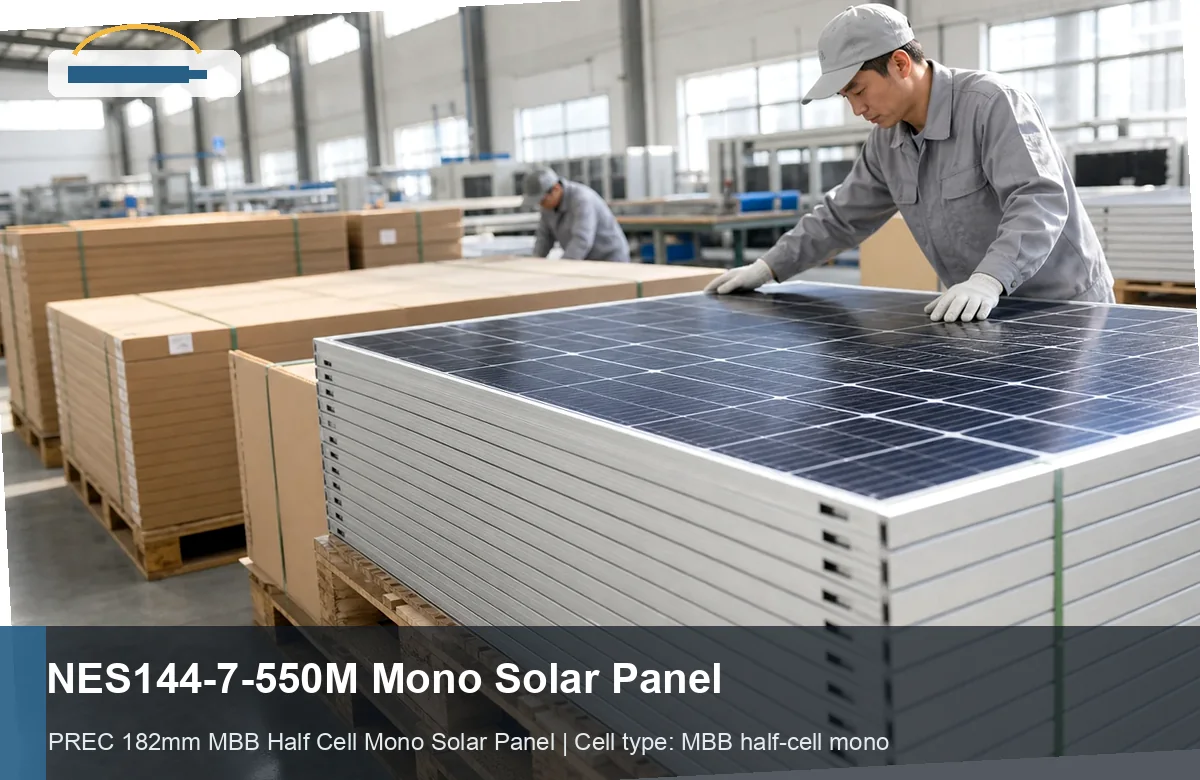
Solar panels sit under a specific set of product standards covering performance, safety, and durability. Spire ESS panels carry certifications including TUV, CE, CQC, SGS, and DEKRA. When you prepare a panel RFQ for a specific EU destination, the conversation with sales should cover which of these certificates are issued for the exact module model you intend to order, not just for the product range in general. Certificates are issued at the model level, so a request that covers a slightly different wattage variant may have gaps.
Beyond the certificate names, your local installer or grid program may require the certificate to come from a body recognized in their country, and some schemes publish approved product lists. Before you send a panel RFQ, check whether your downstream customers are enrolled in such a scheme and bring that into the quote conversation. Sales can then confirm whether the available certificates for the target model satisfy that requirement or whether additional documentation needs to be arranged.
- Ask sales which test certificates are issued for the exact module model and wattage you are ordering.
- Check whether your installer scheme publishes an approved product list with body recognition rules.
- Confirm whether INMETRO certification is relevant if any part of the order is destined for Brazil.
Hybrid inverters: grid standards and documentation scope
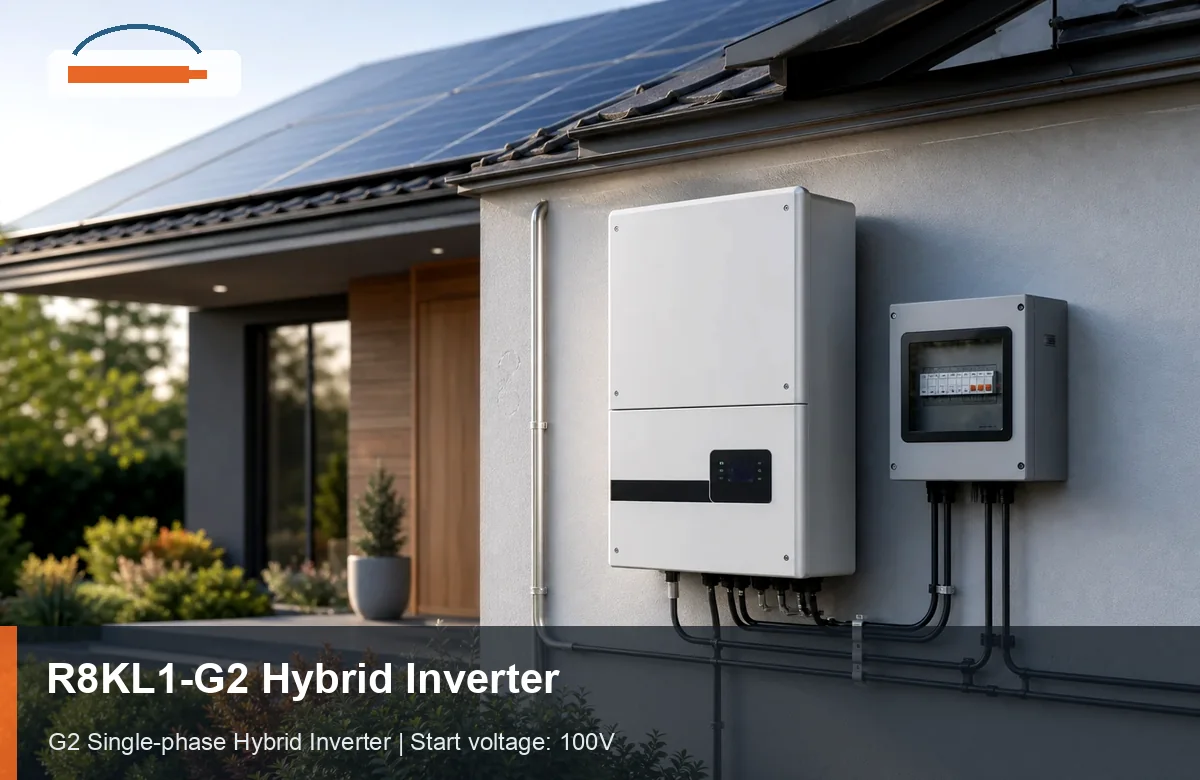
Inverters are the category where destination-country documentation gets most involved. CE covers the inverter as a product, but connecting it to a national grid means demonstrating conformity to grid connection standards that vary by country and operator. The standard a DSO in one market references can differ from another, and some operators require a type-approval document or a specific datasheet format before they approve a connection application.
Spire ESS hybrid inverters carry CE and the range is designed for EU grid environments. When you prepare an inverter RFQ, bring the destination country or countries, the grid voltage and frequency profile of the installation sites, whether your customers are residential or commercial, and whether you work within a subsidy or net-metering scheme that maintains its own approval list. With that in the RFQ, sales can confirm certificate scope per model and flag any documentation that needs to be addressed for your market mix.
- Identify the destination country and grid operator for each major customer before requesting documentation.
- Confirm whether local DSOs require a formal type-approval document or only a CE declaration plus datasheet.
- If customers use a subsidy or self-consumption scheme, check whether it has an approved equipment register.
EV chargers: EU wallbox specifics
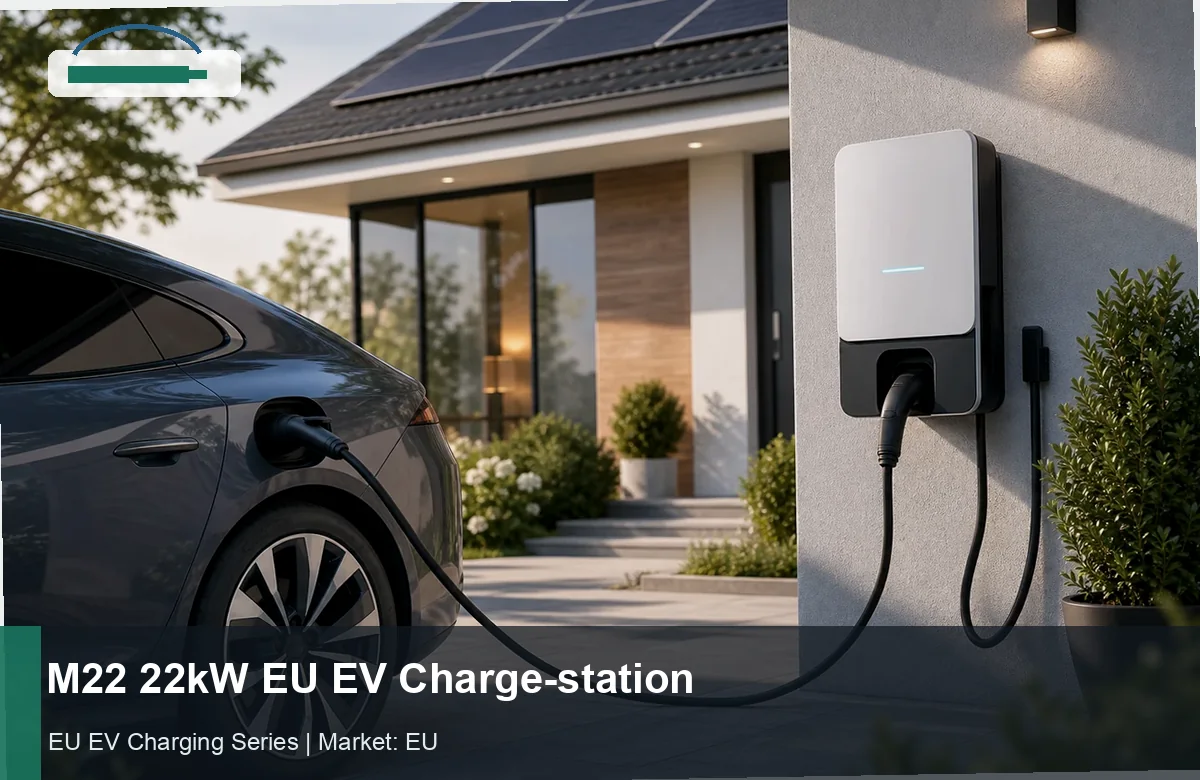
Spire ESS EV chargers are built for the EU market as 7kW, 11kW, and 22kW wallbox units plus a 16A portable, and they carry CE marking. The EU has a relatively harmonized framework for EV charging equipment, and CE is the primary access credential across member states. Some national programs, particularly residential grant schemes, still maintain their own approved product lists or ask for extra documentation such as metering or smart-charging protocol statements.
When you sell EV chargers alongside solar and storage as an integrated offer, the documentation conversation usually stays simpler than for inverters, but confirm with sales whether the technical file for the specific wallbox model covers any smart-charging protocol your customers' utility or installer program requires. For commercial installs, confirm cable and enclosure requirements with your local electrician, as those are installation-level matters rather than product certification.
- Confirm technical file scope per wallbox model with sales if your scheme needs smart-charging documentation.
- For commercial EV charger installs, verify local enclosure and cable rules with the installing electrician.
- Ask whether any national grant scheme your customers use publishes an approved charger list.
Battery storage: documentation considerations
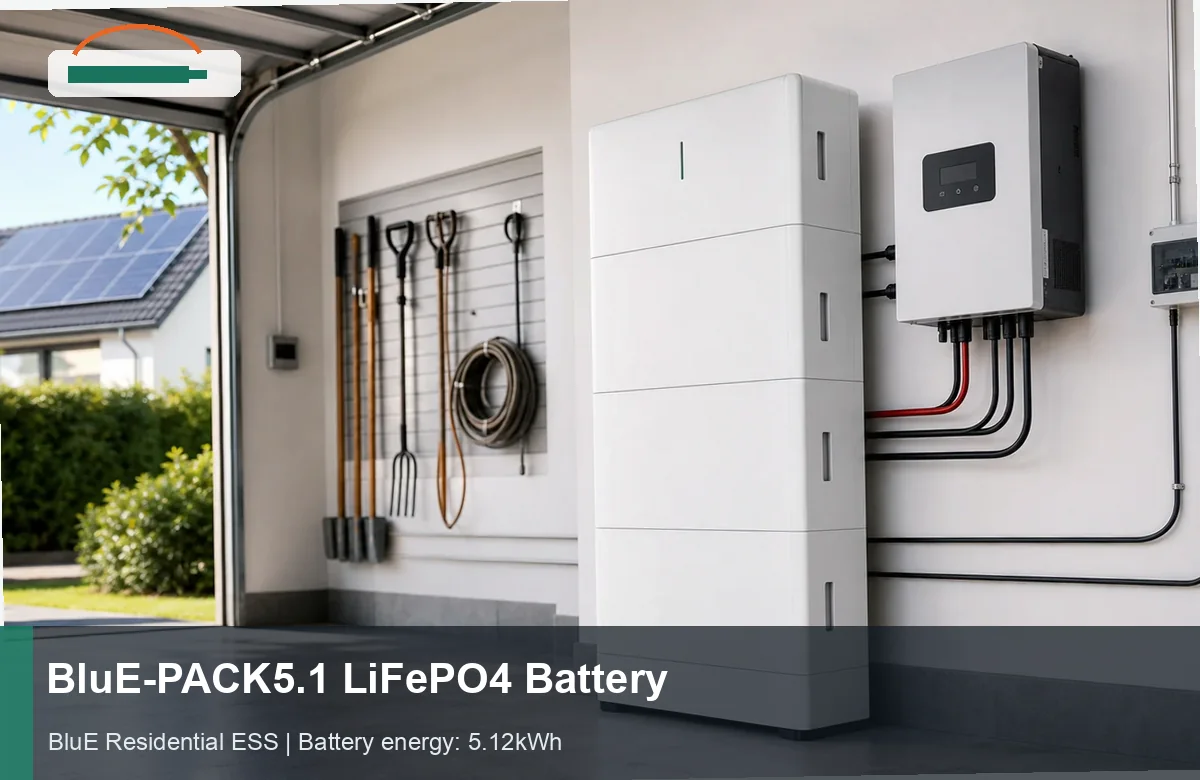
Battery energy storage sits across several frameworks in the EU: product safety, transport, installation, and increasingly building and fire codes at the member-state level. Spire ESS LiFePO4 battery products such as the BluE-PACK carry CE plus ISO 9001, ISO 14001, and ISO 45001 certificates covering product safety and the manufacturing quality system.
For storage specifically, think beyond the product certificate and consider what your end customers or installers need at the installation level. Installer associations increasingly ask for technical documentation on cell chemistry, thermal management principles, and fault protection alongside the CE declaration. Bring these downstream questions to the RFQ so the quote can include any available supplementary technical material. Transport documentation such as UN 38.3 for lithium batteries is a logistics requirement to confirm with your freight forwarder, separate from market-access certification.
- Ask sales for the full certificate and technical documentation package available for the specific battery model.
- Check with your installer network whether national battery installation guidance needs site-level documentation.
- Confirm lithium battery transport documentation with your freight forwarder, separate from product certification.
Packaging, labeling, and manual language
Certification covers the product, but EU importers also carry responsibility for ensuring labeling and installation manuals meet destination-country language expectations. The EU does not mandate one official language for technical manuals, but member states can require installation and user instructions in the national language as a condition of sale. For a distributor selling across Germany, France, Spain, Italy, the Netherlands, and Poland at once, that typically means several documentation sets.
When you build your RFQ, state which destination markets you cover and ask sales to confirm what manual and label language options are available for the models in your order. For larger volumes it is common to request market-specific packaging and labeling as part of the production run. Confirming this at quote stage avoids costly relabeling or manual reprinting once goods arrive. Also confirm declaration-of-conformity language expectations with your local importer of record or customs broker.
- State your full destination market list in the RFQ so sales can confirm manual language options per model.
- Ask about market-specific packaging and labeling if you are ordering for multiple EU countries.
- Confirm declaration language expectations with your local customs broker for each destination.